-
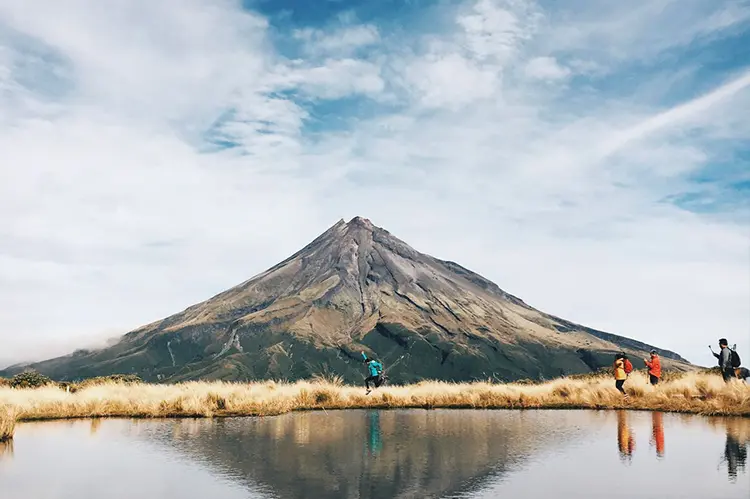
Manawatū-Whanganui
Manawatū-Whanganui sits centrally in the lower North Island, with the Whanganui River, the Tararua and Ruahine ranges, and reasonably easy access to Tongariro National Park giving schools a genuinely strong…
by Dave SmythSep 21 No comments -
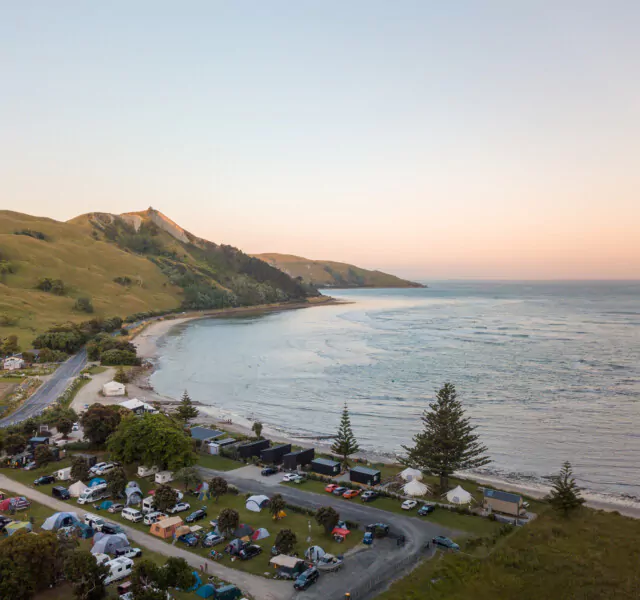
Bay of Plenty
The Bay of Plenty combines a long, sheltered coastline with the Kaimai and Raukūmara ranges inland, giving schools a genuine choice between water and land-based programmes without much travel between…
by Dave SmythSep 21 No comments -
Canterbury
Canterbury's combination of the Southern Alps, braided rivers, Banks Peninsula, and a large, well-connected population base makes it one of the strongest regions in the country for land-based outdoor activities,…
by Dave SmythSep 21 No comments -
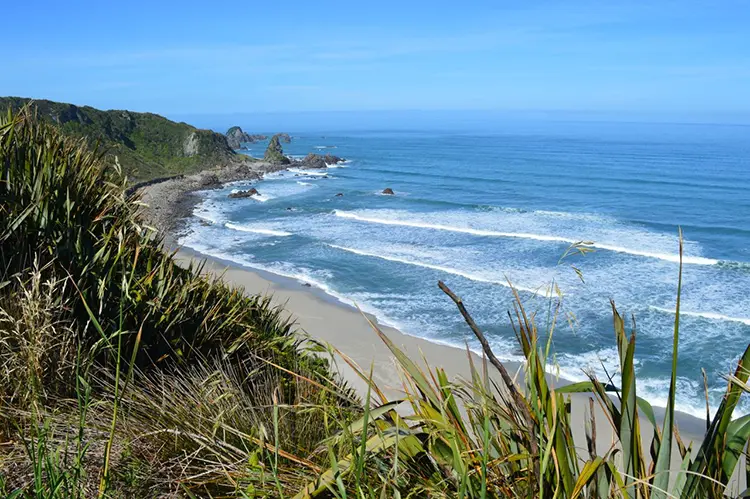
West Coast
The West Coast's combination of glaciers, dense rainforest, limestone cave systems and one of New Zealand's wettest climates makes it a genuinely distinctive (and distinctly land-focused) region for school programmes.…
by Dave SmythSep 21 No comments -
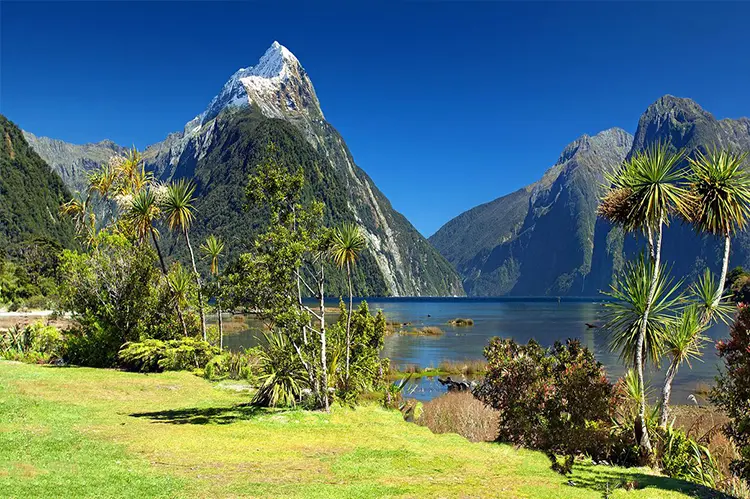
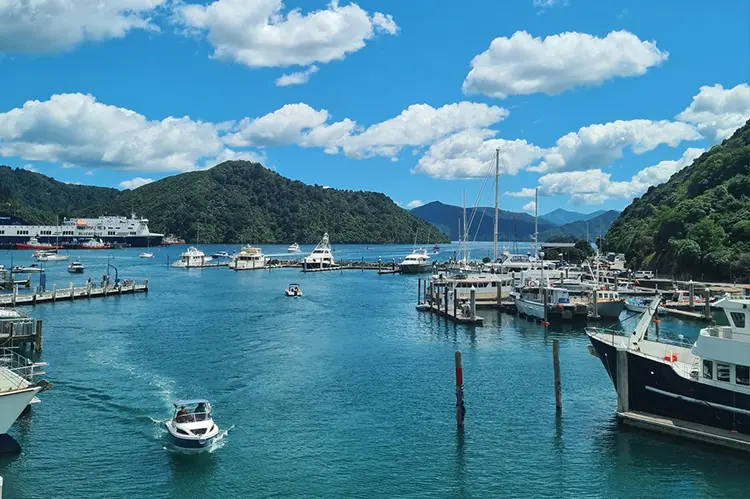
Marlborough
Marlborough's defining feature for school groups is the Marlborough Sounds: a sheltered network of drowned river valleys that gives schools some of the calmest, most reliable water access in the…
by Dave SmythSep 21 No comments -
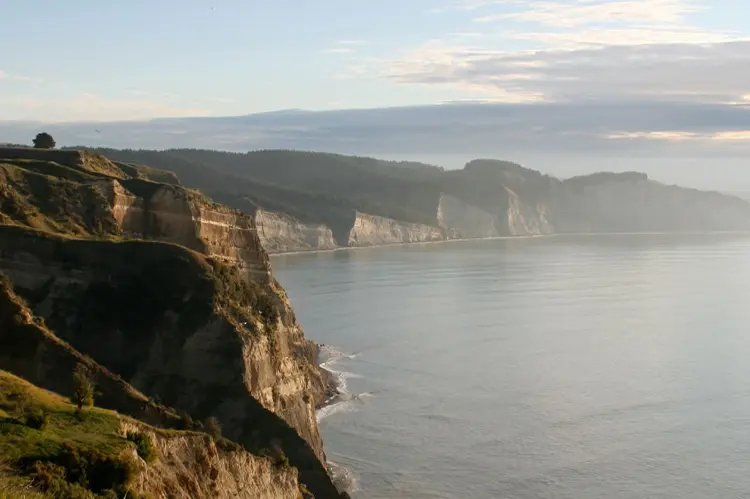
Hawke’s Bay
Hawke's Bay's mix of coastline, rivers, and the Ruahine and Kaweka ranges inland gives schools a reasonably broad choice of land and water-based programmes, generally under one of the sunnier,…
by Dave SmythSep 21 No comments -
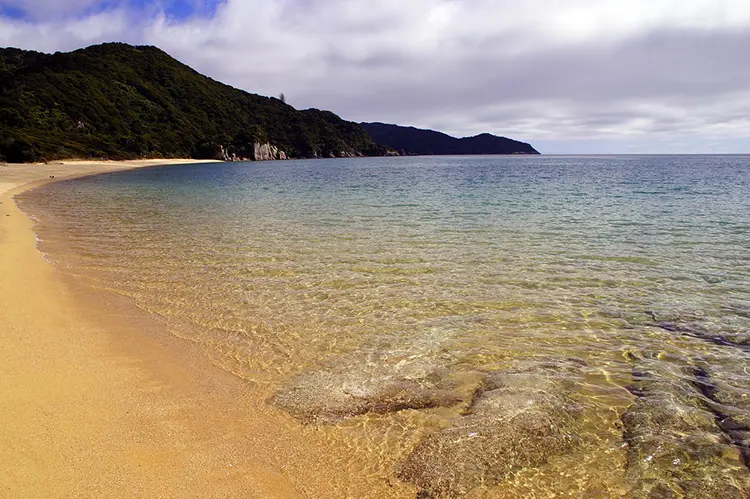
Nelson Tasman
The Nelson-Tasman region consistently records some of the highest sunshine hours in New Zealand, and combined with Abel Tasman National Park's coastline and the wider region's forested hills, it's a…
by Dave SmythSep 21 No comments -
Wellington
The Wellington region's harbour, south coast, and the Tararua and Remutaka ranges give schools a genuine mix of water and land-based options within a fairly compact area, with the added…
by Dave SmythSep 21 No comments