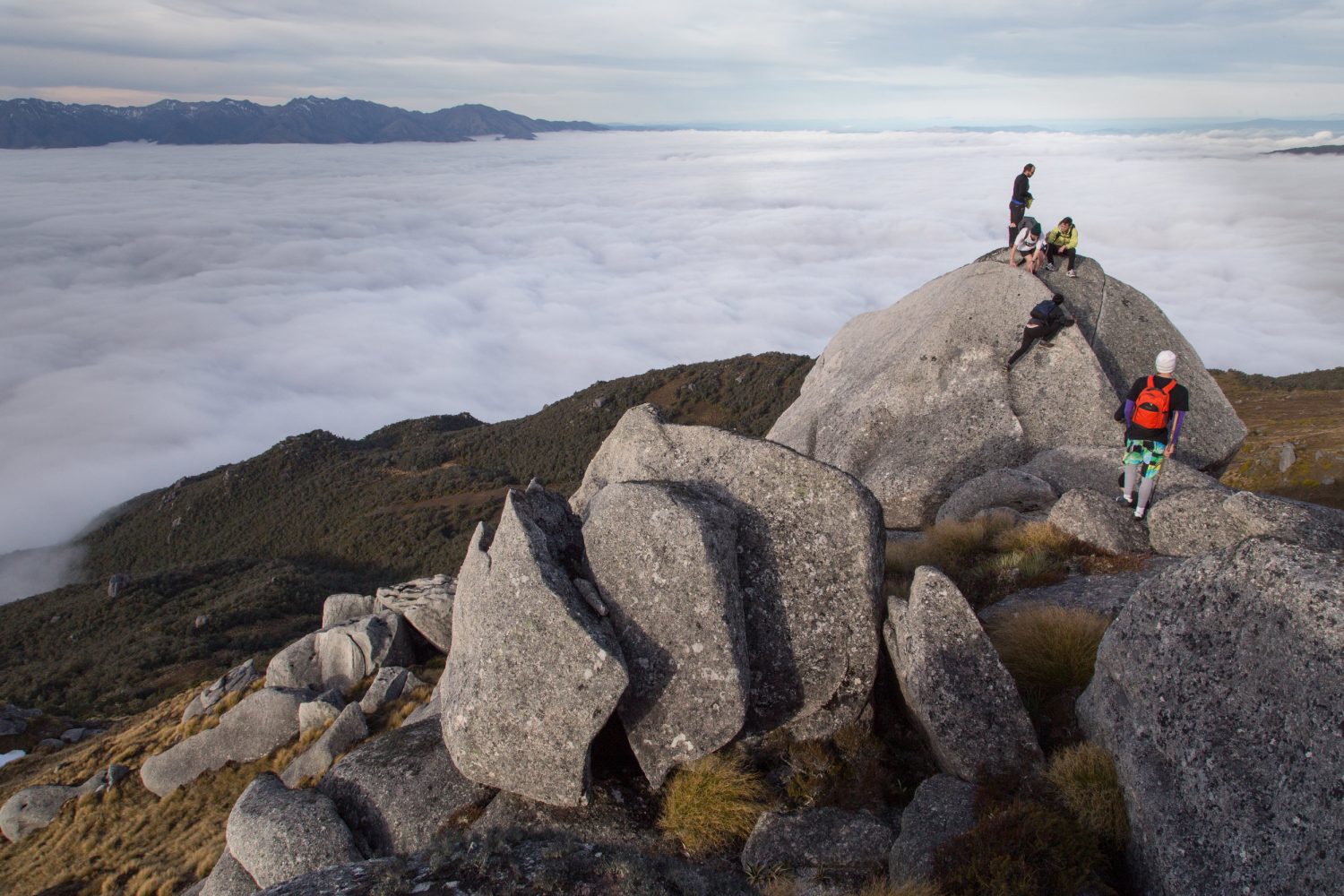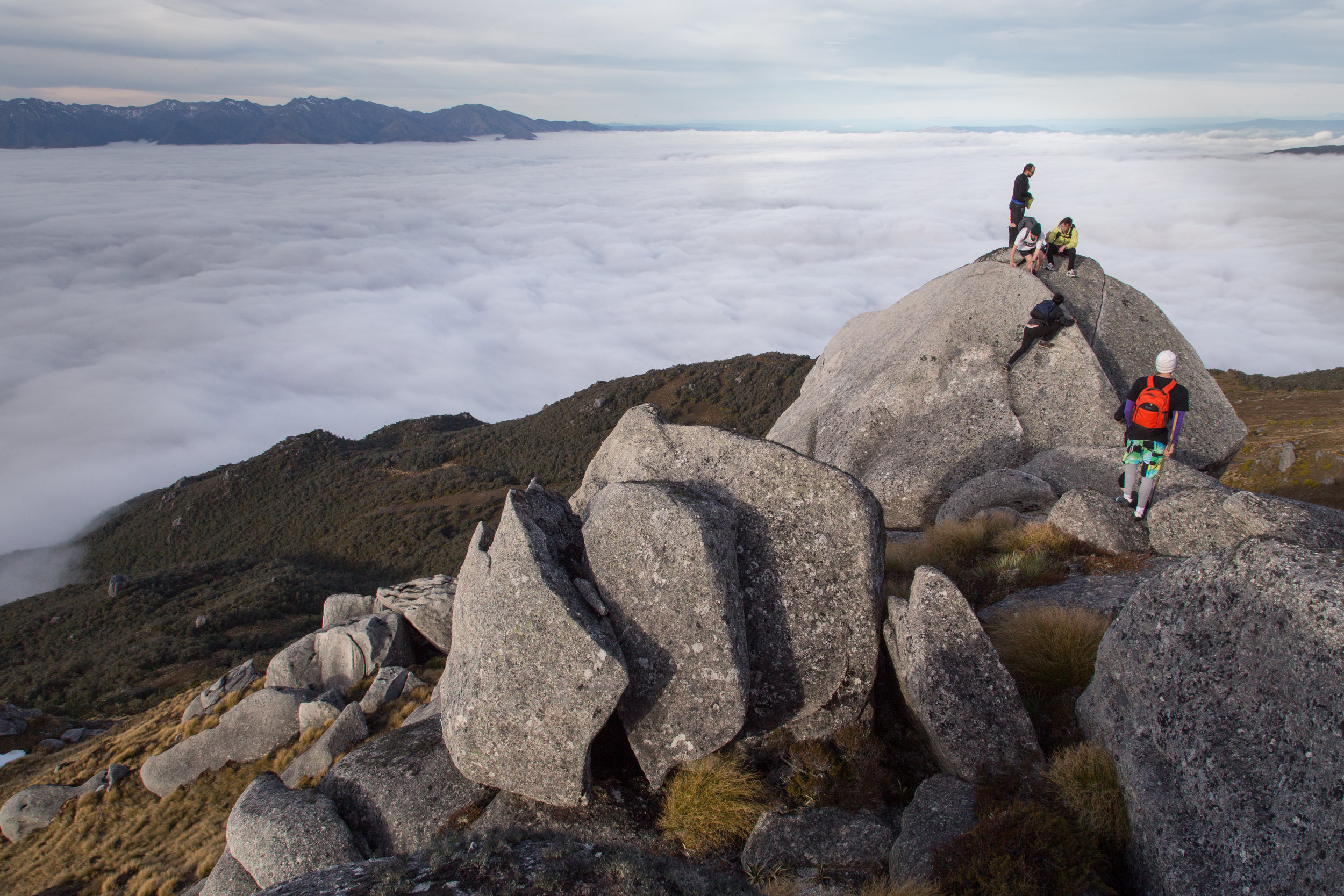
Borland Lodge is a long-running outdoor education base at Monowai in Western Southland, set in beech forest on Borland Road at the gateway to Fiordland National Park. Run by a community trust and used by Southland and Otago schools for decades, it is a practical choice for a Southland school camp, with chalets, a large accommodation block, cottages and camping sites providing room for up to 150 people.
Why schools choose Borland Lodge
- Fiordland on the doorstep: tracks into Fiordland National Park, Lake Monowai and the Borland Saddle start from or near the lodge.
- Room for large groups: a nine-room accommodation block and eight chalets together sleep more than 90, with further chalets and cottages for staff and parents.
- Two full kitchens: each has commercial ovens, a walk-in chiller and crockery for 100, so large groups can self-cater comfortably.
- Options for every age: the lodge’s website outlines activity ideas for primary and intermediate camps through to week-long secondary camps and tertiary field courses.
- NCEA links: the lodge lists NCEA opportunities in rock climbing, Physical Education, Biology and Geography.
- Rich natural history: more than 45 bird species recorded locally, a rare mohua population, alpine plants and one of the world’s largest landslides nearby.
- Community roots: the site has been run by a not-for-profit trust for school, youth and community groups since 1972.
School camp accommodation
Accommodation is spread across several buildings, all with heaters in every room. Each bed comes with a fitted sheet, pillow and pillowcase.
Burnt Ridge Chalets
Eight wooden chalets, each with two sets of bunks and a single bed (five beds per chalet), sleeping 40 in total. A good fit for keeping students in small cabin groups.
Titiroa Accommodation Block
A block of nine rooms sleeping 54, suited to large groups. Eight rooms have five single beds and one larger room has 14.
Eldrig Chalets
Eight newer chalets in a mix of layouts: three with double beds, three family units with a double bunk and two single bunks, and two chalets with three sets of bunks sleeping up to six. These work well for teachers, parent helpers or smaller groups.
Cottages and self-contained unit
Several stand-alone options suit staff or visiting families, including Bush Block (a large cabin with a full kitchen and pot belly stove), Bishops Cottage, Bechtels Cottage and Ryans Cottage, which has a double bed, eight singles, a kitchen, lounge and private bathroom. A self-contained unit has a queen bedroom, kitchen and dining area, and a bathroom with a wet-area shower and handrails on the toilet and shower.
Camping
Powered and unpowered sites are available for groups who want to camp.
What to bring: sleeping bag or duvet, towel, warm layers and wet-weather gear, sturdy footwear for outdoor use, and for school groups, tea towels, dishwashing detergent and toilet paper.
Facilities for school groups
- Two large kitchens, each with its own dining and lounge area
- Large indoor space suitable for lessons, lectures, tutorials and lab-style work
- Function areas that can be used for group sessions and evening activities
- Pond for beginner kayaking
- Archery at the lodge
- Borland Nature Walk starting across from the lodge
- Powered and unpowered camping sites
- A 22 kW solar power system of 90 panels, with surplus power exported to the national grid
Self-catering
School groups cater for themselves in the lodge’s two large kitchens. Both are fully equipped with two commercial ovens, a walk-in chiller and chest freezers, and each holds enough utensils and crockery for 100 people. Catering for functions can be discussed with the lodge office.
Learning opportunities
The lodge’s website sets out a range of activity ideas for different stages. For primary and intermediate groups, suggestions include night walks, art and flax craft, astronomy, campfires, compass and blindfold trails, scavenger hunts and a swim at the heated Blackmount community pool. Secondary groups, typically on week-long camps, can add overnight tramps, rock climbing and abseiling, kayaking, mountain biking, search and rescue exercises, orienteering and a predator control project.
The lodge lists NCEA opportunities in rock climbing (Levels 1–3), Physical Education (up to Level 3), Biology (Levels 1 and 2) and Geography (Levels 1 and 2). Tertiary groups also use the lodge, including annual University of Otago geology, ecology and botany field courses.
Technical activities such as climbing, abseiling and kayaking on rivers or lakes should be led by qualified outdoor instructors, which the school arranges as part of its camp planning.
Curriculum connections
A camp at Borland Lodge fits well with education outside the classroom (EOTC) and can support learning in:
- Science: beech forest ecology, native birds such as mohua and robins, wetland plants at the Borland Mire, alpine plants at the saddle, and the geology of the Green Lake landslide and Takitimu Range.
- Health and Physical Education: tramping, climbing, kayaking, mountain biking and orienteering, with plenty of scope for building outdoor skills and resilience.
- Social Sciences: the area’s history, from Māori food gathering around Monowai to early European exploration, farming and the hydro-electric schemes at Monowai and Manapouri.
- Sustainability and technology: the lodge’s solar power system and local predator control work.
- Key competencies: managing self, relating to others and participating and contributing through shared cooking, cleaning and group challenges.
Activities on site
At the lodge
- Kayaking on the pond
- Archery
- Campfires, astronomy and night games
- Scavenger hunts, compass trails and blindfold trails
- Art and flax craft
- Indoor games
Walks from the lodge
- Borland Nature Walk, a self-guided walk of about 30 minutes through beech forest
- Burnt Ridge Track, about 90 minutes one way to the shore of Lake Monowai
- South Borland track, a day walk that loops back to the lodge
- North Borland track, with overnight options at the Rock Bivvy or North Borland Hut
Close by
- Rock climbing and abseiling at the Borland Road crags, about 5 km from the lodge
- Mountain biking on Borland Road
- Kayaking on Lake Monowai and the Waiau River
- Trout fishing on Lake Monowai
- Swimming at the Blackmount community pool
About Borland Lodge
The lodge began as the Pig Creek Hostel, housing workers on the Manapouri power scheme. In 1972 the buildings were handed to the Southland Youth Adventure Trust to use for outdoor education, and the trust, now the Borland Lodge Adventure and Education Trust, still runs the lodge as a not-for-profit. A major upgrade opened in March 2007, replacing the old huts with chalets, kitchens and social spaces, and the lodge marked 50 years as an outdoor base in 2022.
School camp rates
Rates are charged per person per night and include GST, with separate rates for adults (16 and over) and children (5–15), and free stays for children aged 4 and under. Some cottages are priced per cottage or per couple, with a per-person charge for extra guests. Camping sites are priced per person, with different rates for powered and unpowered sites. Exclusive use of the lodge is priced on request, so schools should contact the lodge for a quote.
Example three-day camp
An example of how a school camp at Borland Lodge could look (every camp is planned by the school):
- Day 1: Arrive, settle into the chalets and hold a group briefing, then walk the Borland Nature Walk. Evening campfire and astronomy.
- Day 2: Rotations of archery, pond kayaking and a compass trail, followed by a visit to the Borland Saddle to look at alpine plants and the Green Lake landslide. Night walk after dinner.
- Day 3: Walk the Burnt Ridge Track to Lake Monowai or take a swim at the Blackmount pool, then clean up and depart.
Getting there
Borland Lodge is about an hour and a half’s drive from Invercargill. The turn-off is from the Tuatapere to Manapouri road on the Southern Scenic Route, just north of Blackmount, and the lodge is about 12 km in along a road that is sealed except for the last section. Borland Road continues past the lodge into Fiordland National Park, but the gate beyond the lodge is closed in winter and the road can close at other times, so check conditions with DOC before planning trips up the road.
Nearby attractions for school groups
- Borland Saddle: an alpine stop at about 990 m with tussock, alpine flowers and natural history information.
- Grebe Valley lookout: 6.2 km beyond the saddle, with views over the valley.
- Lake Monowai: a large lake for kayaking, fishing and tramping, with the historic Monowai Power Station (visits by arrangement).
- Green Lake: a tramping destination with a hut, beside the remains of the huge Green Lake landslide.
- Borland Mire: a DOC wetland reserve near the lodge.
- Clifden Caves: limestone caves south of the lodge, a popular outing for school groups.
- Clifden Suspension Bridge: a historic bridge over the Waiau River near Clifden.
- Lake Manapouri South Arm: reached via Borland Road when the road is open.
Other groups and events
Alongside schools, the lodge hosts universities and polytechnics, families, clubs and private groups. Function areas can be hired for weddings, seminars, meetings, reunions, retreats, team building and formal dinners, and the lodge runs occasional events such as a birdwatching weekend course.
Good to know
- Schools are asked to hold a group briefing on arrival covering safety and how the lodge is used.
- Groups take their recyclable rubbish home, use the scraps buckets and leave the lodge clean at the end of the stay.
- Tramping boots and muddy footwear stay outside.
- The lodge is a dog-free zone to protect native birds.
- There is no cell coverage along Borland Road. Personal locator beacons can be hired in Tuatapere.
- Hut tickets for overnight tramps need to be bought from DOC beforehand.
Frequently asked questions
How many people can stay at Borland Lodge?
The lodge can accommodate up to 150 people across its chalets, accommodation block, cottages and camping sites.
Is food provided for school camps?
School groups self-cater using two large, fully equipped kitchens, each with commercial ovens, a walk-in chiller and crockery for 100 people.
Is bedding supplied?
Each bed comes with a fitted sheet, pillow and pillowcase. Students should bring a sleeping bag or duvet and a towel.
What ages is the lodge suited to?
The lodge hosts primary and intermediate camps, week-long secondary camps and tertiary field courses, with activity ideas suggested for each stage.
Can NCEA be linked to a camp at Borland Lodge?
The lodge lists NCEA opportunities in rock climbing, Physical Education, Biology and Geography.
Where is Borland Lodge?
It is at Monowai in Western Southland, about 12 km off the Southern Scenic Route between Tuatapere and Manapouri and about an hour and a half from Invercargill.
Who runs Borland Lodge?
The lodge is run by the Borland Lodge Adventure and Education Trust, a not-for-profit that has operated it for outdoor education since 1972.
How are rates charged?
Rates are per person per night including GST, with separate adult and child rates. Exclusive use of the lodge is priced on request.