Pōhatu Penguins runs wildlife and conservation trips from Akaroa to Pōhatu (Flea Bay) on the outer coast of Banks Peninsula, Canterbury. The Helps family farm at Pōhatu is home to a colony of white-flippered little penguins (kororā), and schools can book field trips built around the penguins, the Pōhatu Marine Reserve and native forest, as well as outreach visits and a school camp. It’s a hands-on Akaroa penguin school trip with more than 30 years of conservation work behind it, and private groups of up to 54 can be hosted at once.
Why schools choose Pōhatu
- A working penguin colony: students see kororā at their nesting sites and learn how the colony is protected on a private conservation farm.
- Conservation in action: predator trapping, nest box monitoring, farm management for penguins and, in season, rehabilitation of sick or injured birds.
- Land and sea in one trip: sea kayaking in a marine reserve, hiking through native forest and a scenic 4WD drive over the peninsula.
- Several field trip options: little penguin, marine environment and flora field trips, plus outreach visits to schools.
- Room for a large group: private groups of up to 54 people can be hosted at once.
- Gear and transport supplied: experienced guides, all equipment and 4WD minivan transport from Akaroa.
- Overnight option: a farmstay at Pōhatu with a communal kitchen and barbecue for self-catered stays.
School programmes and activities
Pōhatu lists five options for schools. Durations, year levels and group sizes for school programmes aren’t published, so each trip is planned with the team. The public tours below give a guide to what each activity involves.
Little penguin field trip
A guided visit to the colony at Pōhatu, with a conservation walk and talk, nest monitoring and viewing from hides with binoculars and spotting scopes. Students learn about the white-flippered penguin, a Canterbury variant of the Australasian little penguin, and the threats it faces. The public evening tour times its departure for about two and a half hours before sunset so penguins can be seen coming ashore at dusk.
Marine environment field trip
Includes a guided sea-kayaking safari in double kayaks in the Pōhatu Marine Reserve, with fur seals, seabirds, penguins and, often, Hector’s dolphins. The public safari runs about three and a half to four hours in total, including 1 to 1.5 hours on the water. No kayaking experience is needed, and trips run only in settled, safe conditions.
Flora field trip
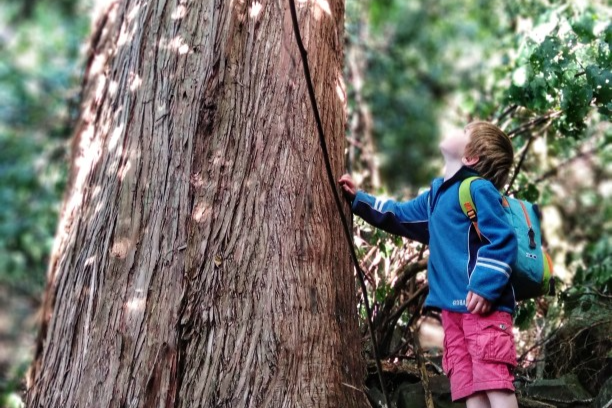
A hike through a scenic reserve to identify native species. Nearby Tutakakahikura Scenic Reserve has red beech forest and tree ferns, with trees over 400 years old, and a track down to Pōhatu Bay.
Outreach visits
The Pōhatu team can come to the school to share their conservation work.
School camp
A school camp is listed as an option. The site doesn’t describe it in detail, so talk to the team about how a multi-day programme and overnight stay could work for your group.
Overnight farmstay
The farmstay at Pōhatu has four separate sleeping units, from a standard penguin cottage to a gypsy wagon and a tree house, with shared toilets and showers, linen provided and a fully equipped communal kitchen and covered barbecue. Stays are self-catered for 24 hours, or 48 hours from April to August. The 24-hour package includes the evening penguin tour in season, a walk on a forested section of the Banks Track and a visit to the Akaroa Heads cliff-tops. Capacity per unit isn’t published.
Learning opportunities
Pōhatu’s school programmes are built around the values of curiosity, ecological sustainability and respect, and the key competencies of thinking and participating and contributing.
Curriculum connections
A visit fits well with education outside the classroom (EOTC) and can support learning in:
- Science: food chains, ecosystems, native land and sea species of Banks Peninsula, penguin variants, evolution, local geology and threats such as climate change, pollution and predation.
- Technology: building traps or nest boxes with hand tools, measuring and following instructions.
- Health and Physical Education: sea kayaking in double kayaks and hiking.
- Education for sustainability: protecting species for future generations, nesting sites, predator trapping, penguin-friendly farm management and the benefits of marine reserves.
Safety and instruction
- Trips are run by experienced nature and sea-kayaking guides, including a lead conservation education ranger.
- Kayak guides hold sea-kayaking qualifications, and Pōhatu states it is DOC approved, a DOC SMART operator and audited by Qualworx.
- All gear is provided, including life jackets, dry jackets, spray decks and dry bags for kayaking, and camouflage clothing and optics for penguin viewing.
- Kayaking runs only in settled conditions, children paddle in double kayaks with an adult, and the guide has the final say on who goes out.
- If avian influenza is confirmed at the colony, close-up nest viewing stops and pre-recorded video is shown instead, with viewing from the hides continuing.
What to bring
- Walking shoes or boots with good grip.
- Warm layers and a raincoat.
- Sunscreen, a hat or sunglasses and water.
- Clothes that can get wet and a change of clothes for kayaking (not jeans).
- A packed lunch for longer trips, and all food for an overnight stay.
Adding Pōhatu to a school camp
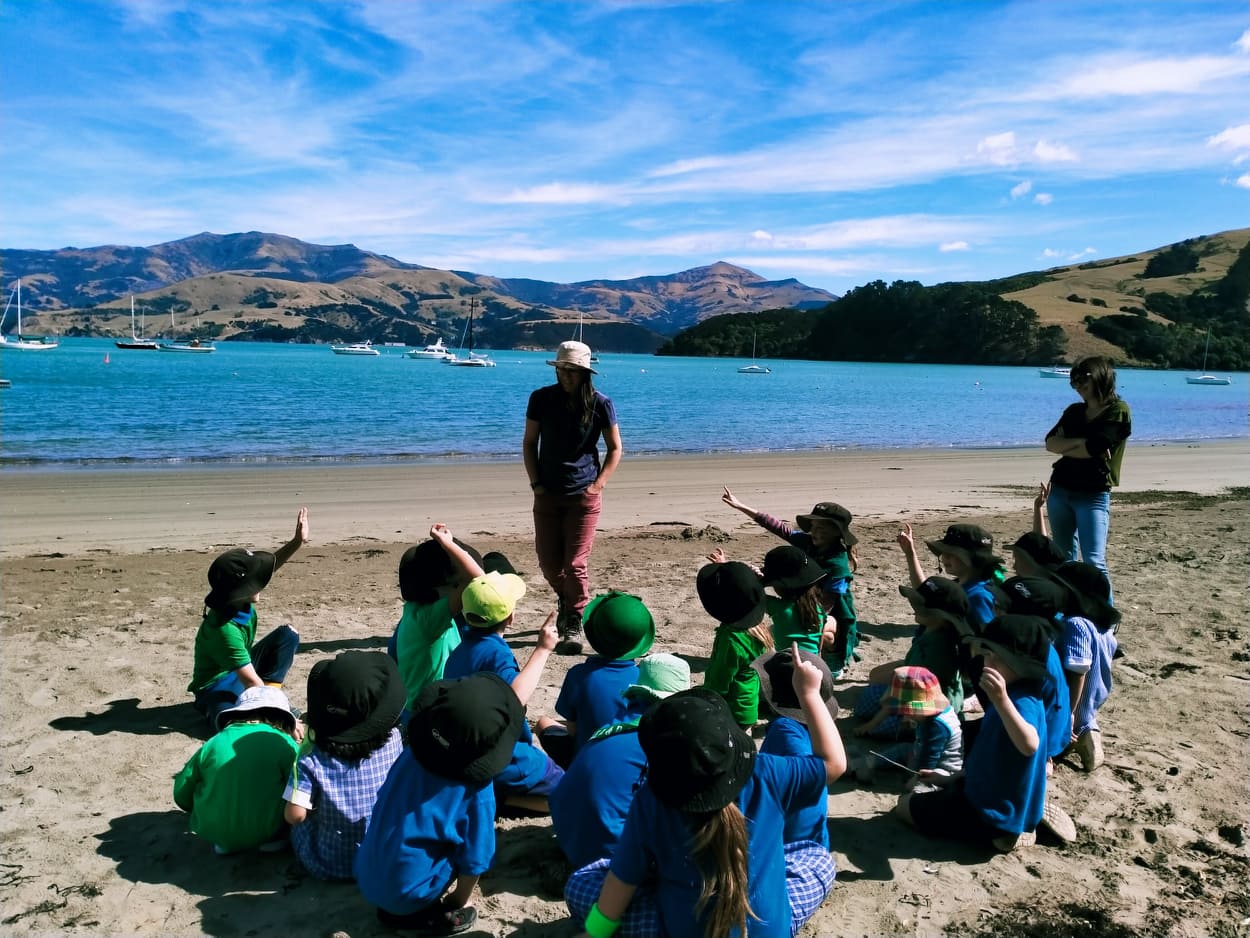
Pōhatu suits a Banks Peninsula school camp based around Akaroa Harbour. Trips start from Akaroa, so a camp group can travel in, join the 4WD transport and spend a morning, afternoon or evening at Pōhatu. School camps on the harbour, such as Wainui Park (run by The Kind Foundation), can pair a penguin or kayaking trip with their own programme. Evening penguin trips work well as a camp highlight, with the timing changing through the year to match sunset.
About Pōhatu Penguins
The Helps family has farmed at Pōhatu since the early 1970s. Shireen and Francis Helps started trapping predators after noticing penguin numbers falling, and the colony grew after a few years of conservation work. Tours began as a way to reduce disturbance and now help fund the conservation. Around 40% of the farm is in covenants and reserves, and the Helps Pōhatu Conservation Trust carries the work forward. The team includes nature guides, sea-kayaking guides, a penguin rehabilitator and a lead conservation education ranger.
School group rates
School programme rates aren’t published. Public tours are priced per person with adult, child (5 to 15) and infant rates, with group rates for larger groups and family packages. The farmstay is charged per person for a 24-hour stay, with a group rate for six or more and a per-unit charge for a second night. Contact Pōhatu Penguins for current rates.
Example school visit
An example of how a school visit to Pōhatu could look (every visit is planned with the provider):
- Midday: meet the guides in Akaroa and travel by 4WD minivan over the peninsula to Pōhatu.
- Early afternoon: guided sea kayaking in the Pōhatu Marine Reserve, looking for fur seals, seabirds and penguins.
- Afternoon: conservation walk and talk, with a look at predator traps and nest boxes.
- Evening (in season): watch from the hides as penguins come ashore at dusk, then return to Akaroa.
Getting there
Trips depart from the Pōhatu booking office in Akaroa township, about an hour and a half’s drive from Christchurch, with the last stretch on a hilly, winding road. Pōhatu Bay is about 30 minutes from Akaroa on a steep, narrow gravel road where a 4WD is recommended, so most groups use the included minivan transport. The colony is on private land and can’t be visited without a tour.
Nearby attractions for school groups
- Akaroa Museum: local Māori, French and British settlement history in Akaroa township.
- Okains Bay Māori and Colonial Museum: taonga, a waka and historic buildings on the northern bays.
- Ōnawe Peninsula: a historic pā site at the head of Akaroa Harbour.
- Akaroa Lighthouse: the historic lighthouse, relocated to Akaroa township.
- Hinewai Reserve: a large native forest regeneration project with walking tracks.
- Akaroa Harbour cruises: nature cruises on the harbour, with Hector’s dolphins often seen.
- Banks Track: a private walking track across the peninsula’s bays and forest.
Other groups and events
Pōhatu also runs team-building activities for corporate groups, private group tours, a 2-hour and half-day Wildside Discovery tour, a hike and kayak day, and a school holiday programme and conservation club through the trust. People can also support the colony through the Adopt a Penguin programme.
Good to know
- Penguin season: viewing is best during breeding from about late August to December. Adults moult in January and February, there are no penguins from late February to early April and no evening tours in March.
- Weather: tours aren’t cancelled for rain, but kayaking only runs in settled, safe conditions.
- Kayaking ages and limits: no toddlers or infants, children paddle with an adult, and kayaking isn’t suitable for people over 115 kg or pregnant women.
- Off-grid: there’s no mobile or internet reception at Pōhatu, with a landline at the homestead for emergencies.
- Farmstay rules: no pets, no smoking and no driving in the bay after dark.
- Bookings: plan school programmes directly with the Pōhatu team.
Frequently asked questions
What can school groups do at Pōhatu Penguins?
Schools can book little penguin, marine environment (including kayaking) and flora field trips, outreach visits to the school, or a school camp.
How many students can Pōhatu host?
Pōhatu can host private groups of up to 54 people at once.
When is the best time of year to see penguins?
The breeding season from about late August to December is best. There are no penguins from late February to early April.
Can students stay overnight?
Yes, the farmstay at Pōhatu offers four sleeping units for self-catered 24-hour stays, or 48 hours from April to August. Check capacity for your group with the team.
Is transport provided?
Yes, trips include 4WD minivan transport from Akaroa to Pōhatu, as the road into the bay is steep, narrow gravel.
Do students need kayaking experience?
No experience is needed. Children paddle in double kayaks with an adult, guides provide all gear, and trips only run in settled conditions.
Which curriculum areas does a visit support?
A visit can support science, technology, health and physical education and education for sustainability, along with EOTC.
How long does it take to get there from Christchurch?
Akaroa is about an hour and a half’s drive from Christchurch, and Pōhatu is a further 30 minutes from Akaroa.