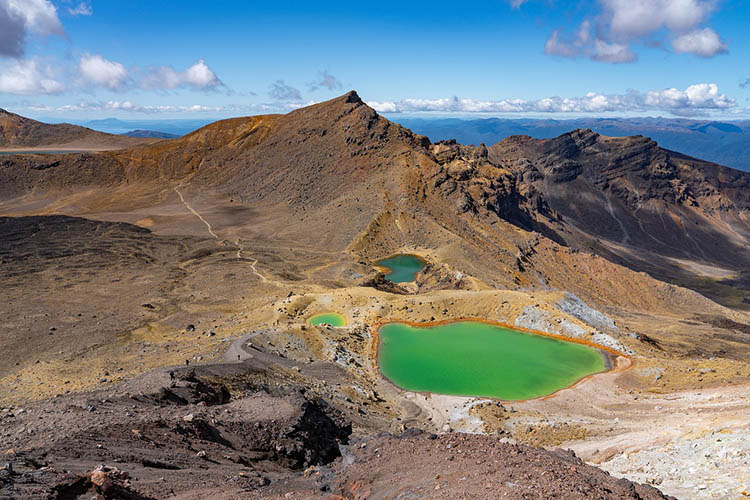
 Manawatū-Whanganui sits centrally in the lower North Island, with the Whanganui River, the Tararua and Ruahine ranges, and reasonably easy access to Tongariro National Park giving schools a genuinely strong land-based and river-based offering.
What Manawatū-Whanganui Suits
Water activities, particularly canoeing, have a real regional identity here thanks to the Whanganui River: multi-day guided canoe journeys down the river are a well-established New Zealand school trip tradition in their own right, alongside more standard flatwater kayaking and canoeing sessions on calmer stretches for younger or less experienced groups.
Tramping and multi-day expeditions are well supported by the Tararua and Ruahine ranges, both offering genuine, demanding terrain for schools building toward the Duke of Edinburgh’s Hillary Award (see our Multi-Day Tramping and Expedition Skills guide), plus more accessible day walks on lower-elevation tracks for younger groups.
Tongariro National Park sits within a few hours’ drive for many schools in the region, opening up alpine tramping and volcanic terrain beyond what the region’s own ranges offer, for older, well-prepared groups.
Horse riding is well established across the region’s rural areas, reflecting its strong agricultural base.
Seasonality and Weather
The region’s inland and higher-elevation terrain means a genuinely cooler, wetter climate than coastal regions further north, with real snow risk in the ranges and toward Tongariro from May through October. Late spring through early autumn (October–April) is the reliable window for tramping and river activities, and the Tararua ranges in particular are known among trampers for changeable, often severe weather regardless of season: never assume a forecast will hold for the full duration of a multi-day trip here.
Getting There
Palmerston North and Whanganui both serve as practical bases depending on which part of the region a school is targeting, with river-based activities typically based around Whanganui and mountain/tramping activities more accessible from Palmerston North or further north toward Ohakune.
Local Considerations
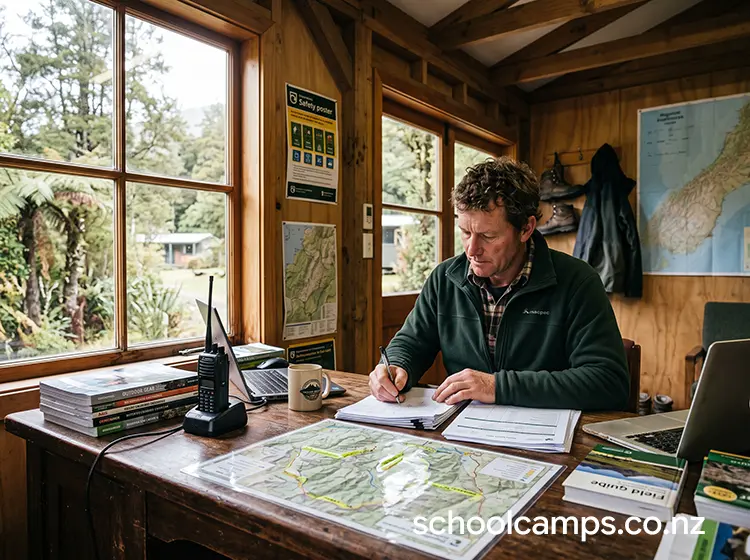
The Whanganui River holds deep cultural and legal significance (it was granted legal personhood in 2017, recognising its status to local iwi) and any river-based trip is worth framing with that context for students, not just as a recreational paddling location. Multi-day sections of the river also require genuine logistics planning (hut/campsite bookings, gear transport) well beyond a standard day trip.
Find a Provider in Manawatū-Whanganui
Browse camps, venues and activity providers currently listed for the region: All Places in Manawatū-Whanganui.
Leave a Reply
You must be logged in to post a comment.