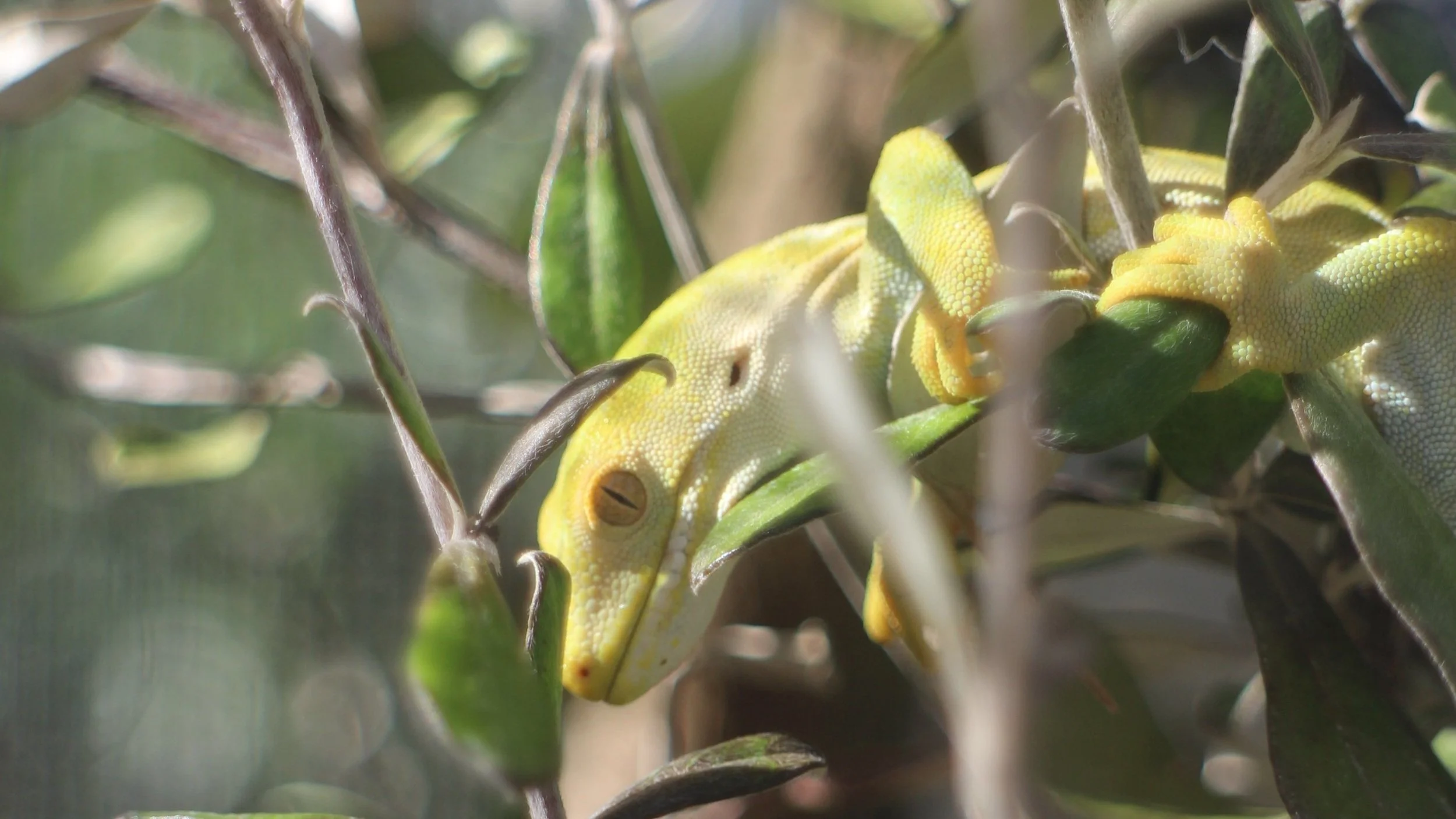


Natureland Wildlife Trust runs Natureland Zoo, a small, conservation-focused wildlife park in the Tāhunanui Beach Reserve in Nelson. It makes a rewarding Nelson school trip for local classes and a strong addition to any Nelson Tasman school camp programme, offering free educator-led sessions for pre-booked school groups, built around native species such as kea, kākā and tuatara. Programmes suit learners from pre-school through to NCEA biology, and a typical visit runs for about two hours.
Why schools choose Natureland
- Host sessions with the Natureland educator are free for pre-booked groups, on top of a discounted education entry rate
- Five curriculum-linked topics, with the educator happy to shape the session around the unit your class is working on
- Native species up close, including a walk-through kea aviary, kākā, kākāriki, pāteke and tuatara
- Real conservation work to learn from: the trust breeds threatened native birds for release into the wild
- Exotic and farmyard animals too, from meerkats, lemurs and capuchins to heritage breeds and free-ranging peacocks
- A playground and lawns on site for breaks, lunch and letting off steam between sessions
- A central location beside Tāhunanui Beach, close to Nelson city and the airport
Facilities for school groups
- A central activity site where educator-led sessions are based
- Walk-through kea aviary
- Native habitats and a Conservation Corner housing birds raised for release
- Heritage breed farmyard
- Playground and grass lawns for free time
- Shop and ticket office, where the day’s keeper talk timetable is posted
Most of the zoo is outdoors and there are only limited sheltered areas, so pack raincoats and plan for the weather.
Education programmes
Natureland’s educator leads each booked session and works with teachers beforehand so the visit ties in with classroom learning. Five topics are on offer:
Adaptations
Students look at how body features and behaviour help animals survive in their habitats, comparing species from Aotearoa and overseas. The kea’s beak and the meerkat’s eyes and claws are among the examples. The topic is linked to NCEA Biology standards 90929 (1.5), 91155 (2.3) and 91603 (3.3).
Behavioural Enrichment
A look at how keepers keep animals mentally active and healthy. Students learn why stimulation matters for animal welfare, then design and make enrichment items such as puzzles or scent trails for the zoo’s residents.
Classification
Students practise careful observation and sort animals into groups by their features, from birds and mammals to reptiles such as tuatara and the smaller invertebrates. It fits well with the Living World strand of the science curriculum.
Endangered Species
This topic covers the pressures facing threatened animals in Nelson Tasman and around the world, and what people are doing about them. It draws on the trust’s own breed-for-release work and keeps a hopeful, solutions-focused tone.
Wild Aotearoa
A session in the native habitats introducing New Zealand’s unique wildlife, including tuatara, kākā and kea. It encourages students to see themselves as kaitiaki of native species and is linked to NCEA Biology 91605 (3.5).
Self-guided visits
Schools and pre-school groups can also explore at their own pace. Self-guided groups still qualify for the discounted education rate, and the educator can help you plan your visit.
Learning opportunities
A visit to Natureland can support:
- Science, particularly the Living World strand: adaptation, classification, ecology and biodiversity
- NCEA Biology at Levels 1 to 3, through the standards linked to the Adaptations and Wild Aotearoa topics
- Education for sustainability, through the trust’s conservation and trapping projects
- Te ao Māori learning about kaitiakitanga and the tuatara as a taonga species
- Education outside the classroom (EOTC) and key competencies such as thinking, and participating and contributing
- Career awareness, with a chance to see zookeepers and conservation staff at work
Animals to see
Native wildlife
- Kea in the walk-through aviary
- South Island kākā
- Kākāriki (yellow-crowned parakeet)
- Pāteke (brown teal)
- Tuatara
- Lizards
Exotic animals
- Meerkats
- Lemurs
- Capuchin monkeys and other primates
- Porcupines
Farmyard
- Heritage breed farm animals, including goats and alpacas
- Free-ranging peacocks
Keeper talks and encounters
Keepers give short daily talks on animals such as the goats, kea, capuchins or lemurs, and the meerkats and porcupine. Paid meerkat and lemur encounters are also available to the public. What’s on varies with staffing, so ask about the day’s timetable when you arrive or check whether a talk fits your session time when booking.
Conservation at Natureland
Natureland Wildlife Trust is a registered charity set up in 2013 to rescue and revive Natureland Zoo. It works alongside the Department of Conservation, Nelson City Council and the Zoo and Aquarium Association, and is involved in several recovery projects:
- South Island kākā – bred with Project Janszoon for release into Abel Tasman National Park, with staff also helping with monitoring before and after release
- Kākāriki – yellow-crowned kākāriki bred for release at Pūkaha National Wildlife Centre
- Pāteke – reared and released as part of the national recovery programme for this endangered duck
- Banded rail – the trust looks after a 3 km trapline along the Great Taste Trail near Monaco for Battle for the Banded Rail
- Kea – education, research and field support with the Kea Conservation Trust
- Tuatara – a partnership with Ngāti Koata, for whom the tuatara is a taonga
For students, this means the birds they see may be part of a real release programme, which gives the Endangered Species and Wild Aotearoa topics a strong local focus.
School visit rates
School groups pay a discounted per-student education rate, and the educator’s host session is included free when you book ahead. Teachers, teacher aides, learning support staff and parent helpers within the required supervision ratio come in free (terms apply). The free-adult ratio depends on the type of group, with kindergarten and primary groups allowed one free adult for every four children. Extra adults beyond the ratio pay a reduced adult rate. Natureland memberships can’t be used for education sessions. Contact the trust for current rates and its price guidelines.
Example school visit
This is an example only. The educator will help plan a visit that suits your class and topic.
- Arrive, meet the educator and get a safety briefing
- Educator-led session on your chosen topic, such as Wild Aotearoa, starting at the central activity site
- Time in the walk-through kea aviary and the native habitats
- Lunch and a break on the lawns and playground
- A self-guided wander past the exotic animals and farmyard, timed to catch a keeper talk if one is on
Natureland recommends allowing about two hours. Groups on a Nelson camp can easily pair it with a beach session at Tāhunanui or a visit to Brook Waimārama Sanctuary on the same day.
Getting there
Natureland is on Hounsell Circle in the Tāhunanui Beach Reserve, around 10 minutes’ drive from central Nelson and about 5 minutes from Nelson Airport. That makes it an easy trip for schools across Nelson and Richmond, and simple to fit into a camp based anywhere in the Nelson area.
Nearby attractions for school groups
- Tāhunanui Beach – a broad, sandy beach right next to Natureland, good for a picnic or beach games after your visit
- Brook Waimārama Sanctuary – a 690-hectare predator-free forest sanctuary about 5 km from central Nelson, home to species such as tuatara, kiwi and kākāriki
- Great Taste Trail – the cycle and walking trail passes nearby, including the stretch near Monaco where Natureland runs its trapline
- Monaco Peninsula Loop – a short seaside stroll close to Tāhunanui
- The Grampians Reserve – hills behind Nelson city with tracks of different lengths and difficulty
- Nelson City Centre ArtWalk – an outdoor art trail of 25 sites through central Nelson
- Abel Tasman National Park – the release site for kākā raised at Natureland, and an option for longer Nelson Tasman camps
Other groups and events
As well as schools, Natureland caters for:
- Early childhood centres and kindergartens
- Holiday programme groups, through its own Keeper Kids (ages 7–12) and Zookeeper Apprentice (ages 12–15) programmes
- Birthday parties and private events
- Families and visitors, with annual memberships available
- Volunteers and interns interested in animal care
Good to know
- Education sessions run Monday to Friday, between 9.30 am and 3 pm
- Bookings are essential for the education discount and to secure the educator, so book early
- Students must be supervised at all times, and adults stay with their group at the enclosures
- Animals are for looking at only: no touching or feeding, and keep items away from enclosures
- Natureland provides a risk assessment (RAMS) form for teachers to use when planning
- If heavy rain sets in after your group arrives, you can rebook for another day without paying again; if you decide to postpone, let them know early in the morning
- Keeper talks and encounters change day to day depending on staffing
Frequently asked questions
Are educator-led sessions free for schools?
Yes. Host sessions with the Natureland educator are free for pre-booked groups. Students pay a discounted education entry rate.
What topics can the educator cover?
The five topics are Adaptations, Behavioural Enrichment, Classification, Endangered Species and Wild Aotearoa, and the educator can tailor them to your classroom units.
What age groups does Natureland suit?
Natureland caters for all ages, from pre-school groups through to senior students, with some topics linked to NCEA Biology at Levels 1 to 3.
How long should we allow for a visit?
Natureland recommends planning for a visit of about two hours.
When are education sessions available?
Education sessions run Monday to Friday, between 9.30 am and 3 pm, and must be booked in advance.
Do parent helpers have to pay?
Adults within the required supervision ratio come in free, subject to terms. Extra adults beyond the ratio pay a reduced adult rate.
What happens if it rains?
Natureland is mostly outdoors with limited shelter. If heavy rain sets in after your group arrives, you can come back on another day without paying again.
Can we visit without an educator session?
Yes. Self-guided school and pre-school groups are welcome and still qualify for the discounted education rate.


