Northland Outdoor Adventures (NOA) is a Kiwi-owned outdoor education and ecotourism operator based at Kāeo in the Whangaroa district, working across the Bay of Islands, Whangaroa and the Northland Peninsula. For schools it runs water-based education, field science and environmental education, and adventure-based learning, bringing the region’s coastal and forest environments into students’ learning. It suits a Whangaroa outdoor education day, a Northland school trip or a full EOTC programme, and its team of qualified ecotourism guides and outdoor instructors brings more than 15 years of tertiary-level teaching in ecology, natural history and social history, with a strong maritime and environmental focus.
Why schools choose NOA
- Teaching background: facilitators have well over a decade of tertiary teaching, from conservation youth programmes to diploma-level study.
- Coast and forest in one provider: sea kayaking, surfing, sailing, snorkelling and free diving alongside bush and estuary field science, for multi-disciplinary outdoor learning.
- Maritime and environmental themes: programmes built around marine life, conservation and environmental monitoring.
- Flexible formats: single EOTC days, short programmes, school camps, full-term or year-long courses and regular sport electives.
- Qualification pathways: optional unit standards on most short programmes and courses, plus recognised awards in sea kayaking, sailing and free diving.
- Comes to you where possible: NOA travels to schools where it can to cut down on long trips, and can lead a programme on its own or alongside school staff.
- Low-impact approach: tours follow low-impact, leave no trace principles and the team describes itself as active conservationists.
School programmes and activities
Programmes are shaped around each school’s requirements, can mix practical sessions with theory, and range from “learn to do” level up to junior supervisory level depending on the time available.
Water-based education
Students can learn to sea kayak, surf, sail, snorkel or free dive in Northland’s coastal settings, led by facilitators with extensive teaching backgrounds.
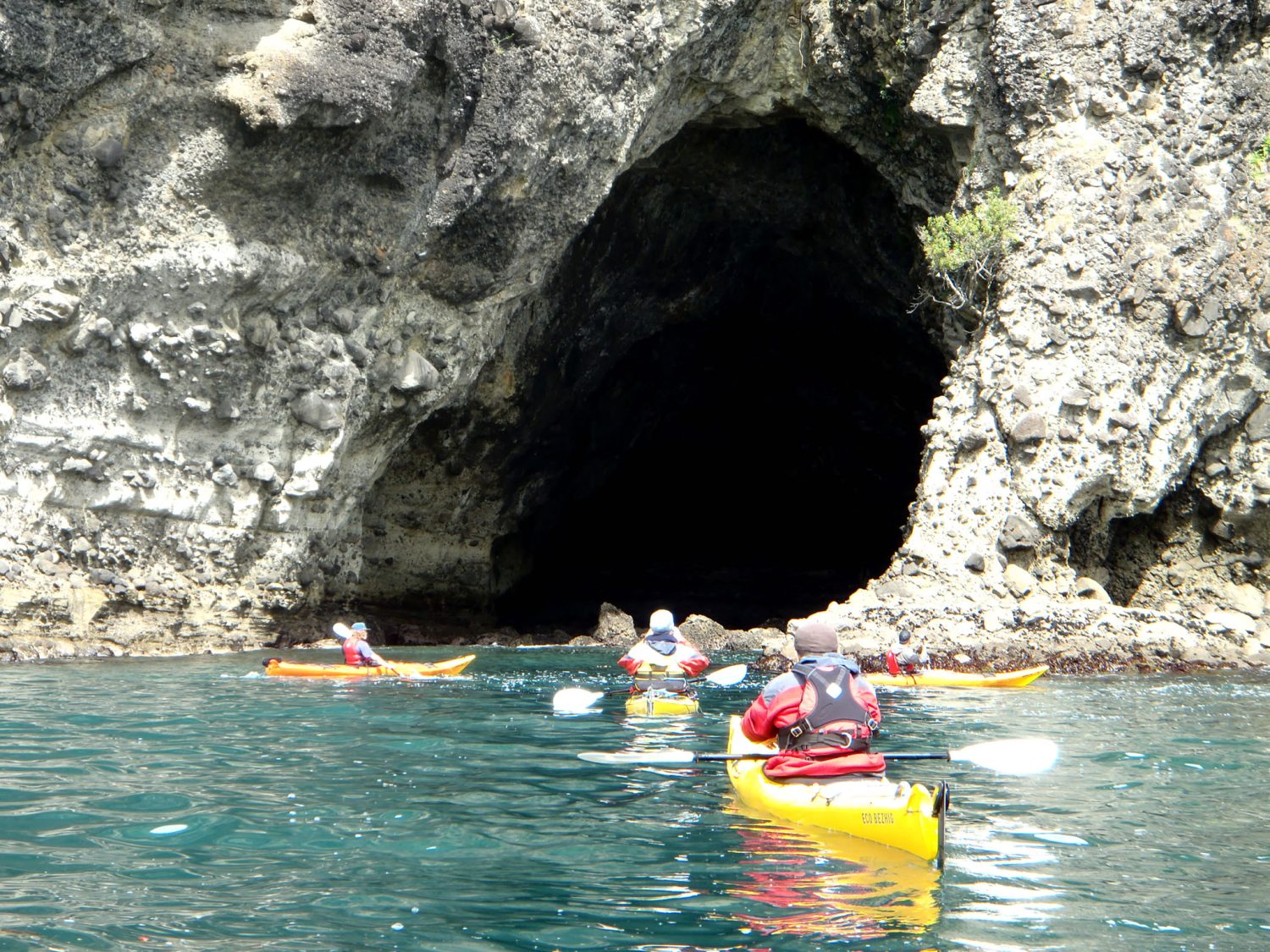
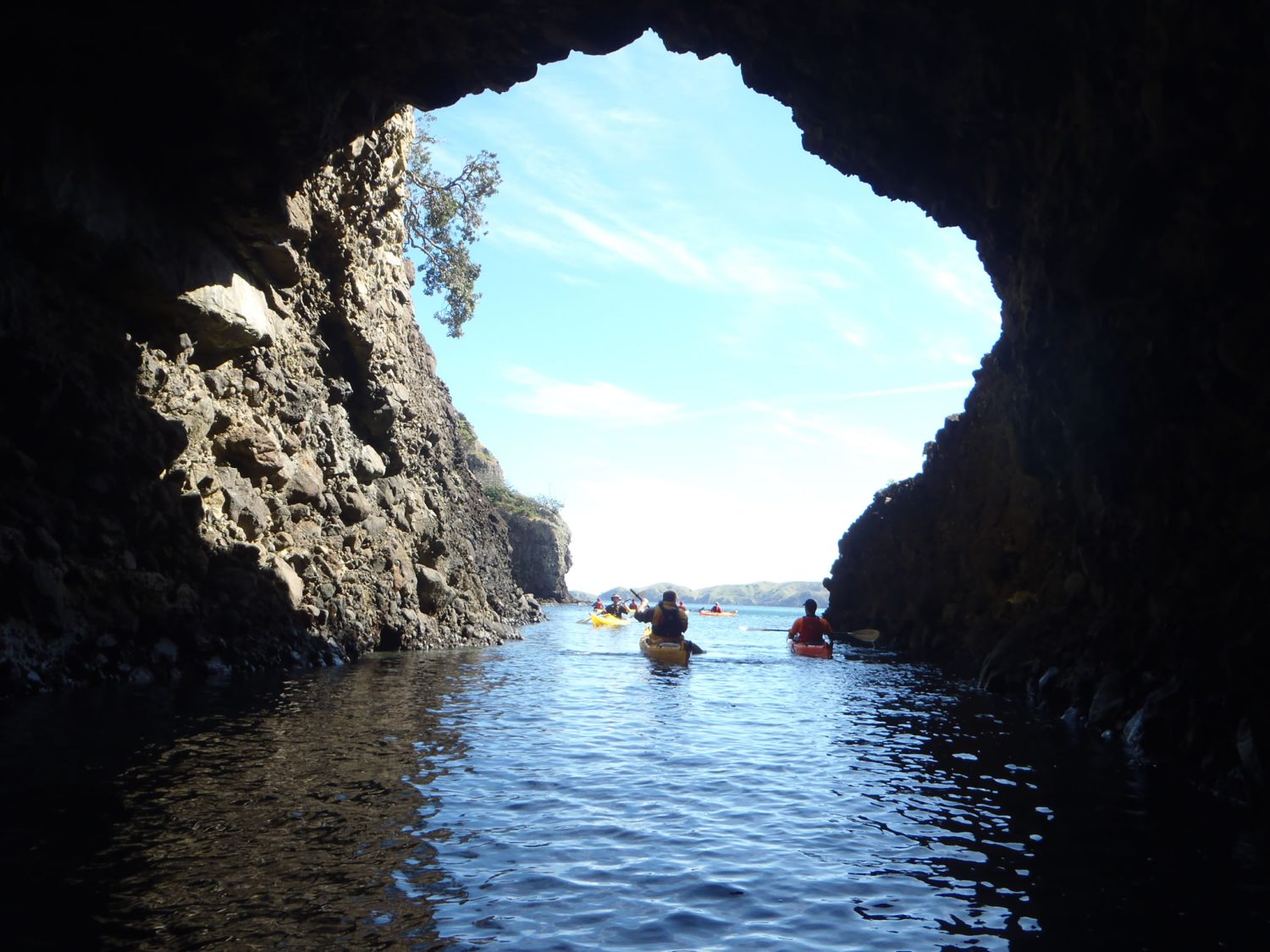
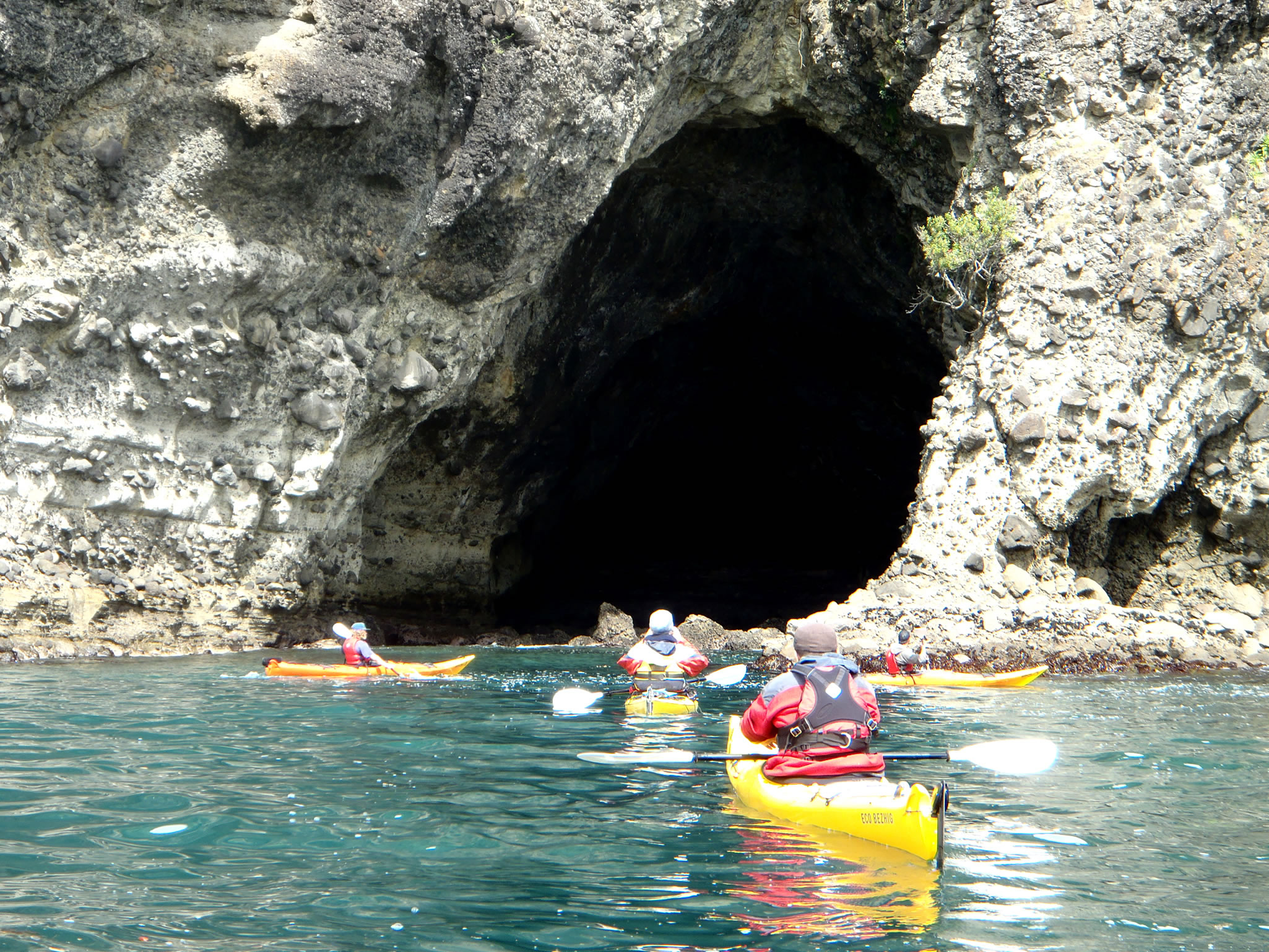
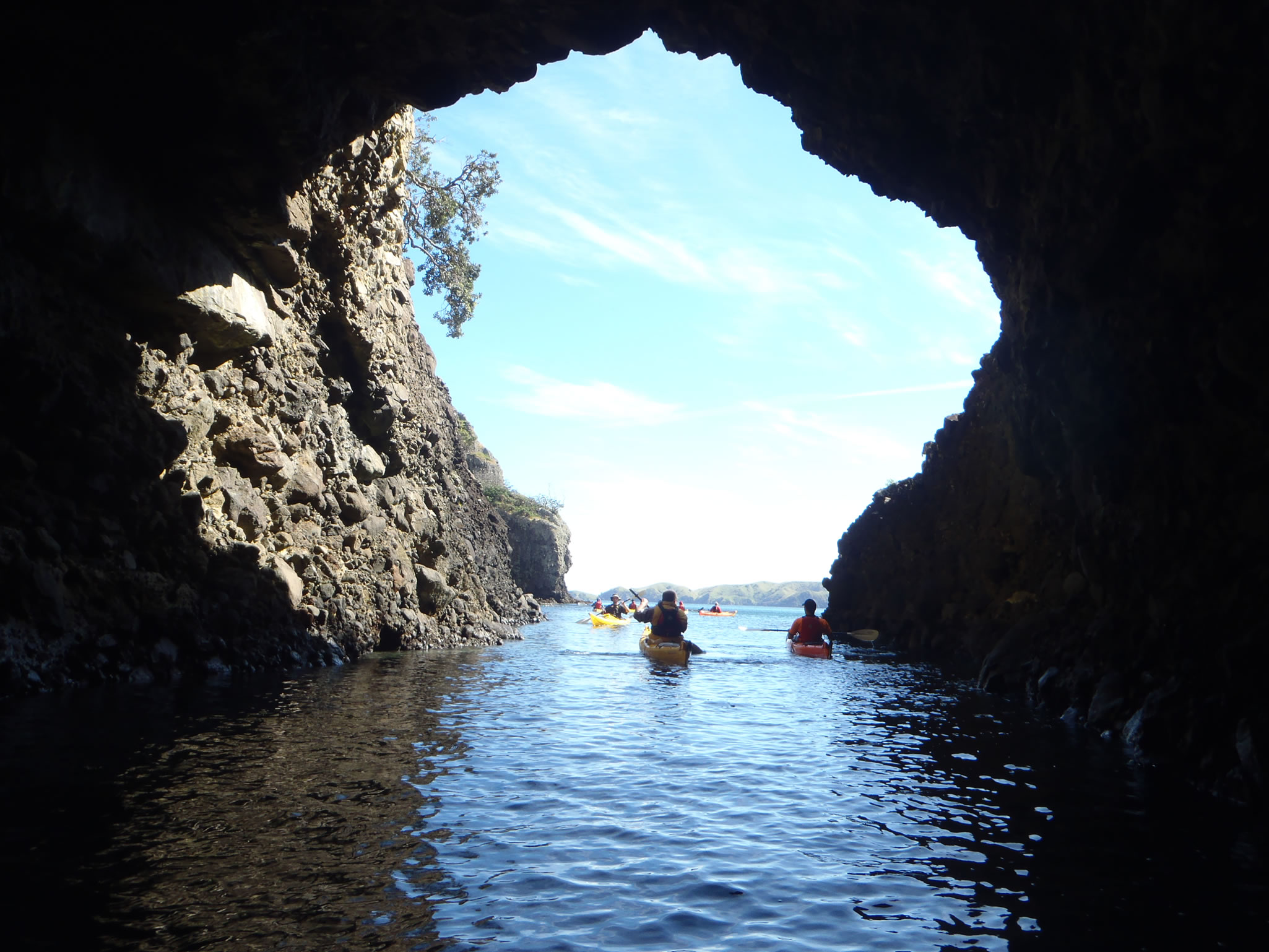
- Sea kayaking: paddling skills, self and client rescue, kayak surfing, launching and landing from the shore, group management and water safety, with theory on trip planning, navigation and chart plotting, nutrition, risk management, weather and low-impact ecology. NOA recommends a multi-day expedition once a course or a set number of day trips is complete. Students can work towards the NZOIA Sea Kayak Leader award (minimum age 18, with extra registration and assessment fees).
- Dinghy sailing: rigging, points of sail, tacking and gybing, racing a set course, and capsize and man-overboard drills, with keelboat sailing after a full dinghy course and industry trips on large keelboats such as with the R Tucker Thompson Sail Trust. Full courses can include optional level 2 units, and students aged 15 and over can work towards a Yachting New Zealand Assistant Learn to Sail Coach award (extra fees apply).
- Snorkelling and free diving: water safety and buddy systems, breath-hold, depth, equipment, marine biodiversity, and kaimoana legal sizes and limits. The PADI Basic Free Diver course is open from age 12 for students with adequate swimming ability and good physical health (PADI fees apply).
- Surfing: standing up and riding to shore, surfing a wave face, reading waves, and theory on surf etiquette, rips, currents, tides, swell, forecasting and coaching.
Field science and environmental education
These programmes bring conservation and environmental monitoring to life through real-world applications and facilitated engagement with local industry. They can run as field trips, classroom sessions or both, as one-off events or a regular part of the curriculum, and are designed to complement what a class is already studying.
- Bush walking and tramping: bush safety, track navigation, local botany and plant identification, traditional plant uses, bush foods and rongoā, with local walks, overnight tramps or a native bush food lunch.
- Freshwater and riparian issues: erosion, land modification and siltation, with native plant propagation, seed collection, eco-sourcing, riparian planting, siltation surveys and water quality testing.
- Estuary and marine issues: zonation, habitat, species diversity and marine protected areas, with shellfish surveys using quadrats and transects, estuary life surveys, biofouling surveys of hulls and marinas, coastal clean-ups and debris monitoring. Options also include a Goat Island camp with a University of Auckland lab and marine reserve experience, and a Project Jonah whale stranding course.
- New Zealand biodiversity: endemic and endangered species and plant identification, with shorebird surveys, island sanctuary surveys and trips to Aroha Island, DOC sites and private sites of significance.
- Natural history and ecology: geological timescales, tectonics, volcanism, island biogeography, food webs, ecosystems and evolution, through field trips and species case studies.
Adventure-based learning
Interactive team-building and problem-solving activities designed to build resilience, cooperation and personal growth, including raft building, stilt walking, team relays and curriculum-based challenges. Sessions can run anywhere from a school field to a beach, and because adventure-based learning isn’t bound by the instructor ratios that apply to other activities, it works well for larger groups.
Classroom support
NOA can deliver facilitated, interactive lectures on its field science topics, with presentations and workbooks, as one-off sessions or a regular part of a course.
Learning opportunities
NOA blends ecotourism with outdoor education, offering adventure and learning in equal measure, and its flexible approach fits marine science, environmental education and EOTC frameworks. Theory is tied to practical activity so it sticks.
Curriculum connections
A NOA programme can support:
- Science: ecology, marine science, biodiversity, freshwater quality, geology and evolution through hands-on surveys and field trips, with a good fit for STEM programmes.
- Health and Physical Education: kayaking, sailing, surfing, snorkelling, tramping and water safety.
- English and vocational subjects: trip planning and health and safety.
- Mathematics: applied learning through navigation, ratios, weather and trip catering.
- Social Sciences: social history and traditional plant knowledge and use.
- Education outside the classroom (EOTC) and the key competencies, especially managing self, relating to others and participating and contributing.
- Career awareness: industry and conservation organisation involvement, and diving careers covered in free diving theory.
Safety and instruction
Programmes are led by qualified ecotourism guides and outdoor instructors who combine outdoor skills with a strong educational background, and free diving is led by a PADI Divemaster. NOA can act as the sole educator or work alongside a school’s own staff. It treats safety as a shared responsibility: participants are expected to follow safety guidance, and any pre-existing medical conditions must be disclosed before an activity. NOA may postpone, relocate or change an activity because of weather or safety needs.
Adding NOA to a school camp
NOA runs single activity days as well as school camps, and can suggest camp locations. Schools staying in the Bay of Islands, Kerikeri or Whangaroa can add a kayaking, snorkelling, surfing or field science day to their programme, and pickups from accommodation in Paihia, Kerikeri and Whangaroa are available on some tours. For senior outdoor education students, a multi-day sea kayak expedition is the natural next step after a course, and NOA already runs overnight and multi-day kayak trips around Whangaroa and Mahinepua for the public.
About Northland Outdoor Adventures
NOA is entirely Kiwi owned and operated, and its tours have been run and refined over more than a decade. Alongside school programmes it runs coastal hikes on the Karikari Peninsula, sea kayak day trips, overnight tours and expeditions, surf lessons and tours, snorkelling and free diving trips and private guided days. The team supports local communities where it can, in keeping with its ecotourism approach.
School group rates
Programmes are priced on enquiry and depend on the format, length and activities chosen. Minimum group numbers apply, with pro-rata charges if numbers fall short. Formal awards carry extra NZOIA, Yachting New Zealand or PADI registration and assessment fees. Transport is included on some tours and can be arranged on request. Contact Northland Outdoor Adventures for current rates.
Example school visit
An example of how a school visit to NOA could look (every visit is planned with the provider):
- Morning: meet the group, safety briefing, then a sea kayaking session on the Whangaroa Harbour.
- Midday: lunch on the shore followed by snorkelling and a look at local marine life and kaimoana size limits.
- Afternoon: an estuary life or shellfish survey using quadrats and transects.
- Late afternoon: a short debrief linking the day’s findings back to classroom learning.
Getting there
NOA is based at Kāeo in the Whangaroa district, about 45 minutes north of the Bay of Islands. Activities run at a range of locations on the Far North’s east coast, including Kerikeri, the Whangaroa Harbour, Matauri Bay, Mahinepua Bay, the Cavalli Islands, Taupo Bay, Takou Bay and the Karikari Peninsula. Pickups can be arranged from accommodation in Paihia, Kerikeri or Whangaroa on some tours, and NOA delivers programmes at schools where it can.
Nearby attractions for school groups
- Whangaroa Harbour and St Paul’s Rock: a sheltered harbour ringed by volcanic peaks, with a short, steep walk to a lookout above Whangaroa.
- Matauri Bay: a long sandy beach with the Rainbow Warrior memorial on the headland and views to the Cavalli Islands.
- Aroha Island Ecological Centre: a kiwi sanctuary on the Kerikeri Inlet with bush walks and estuary habitat.
- Kerikeri Mission Station: the Stone Store and Kemp House, two of New Zealand’s oldest buildings.
- Rewa’s Village: a reconstructed pre-European Māori kāinga beside the Kerikeri Basin.
- Puketi Forest: an ancient kauri forest with boardwalks and native bird life.
- Waitangi Treaty Grounds: the site of the signing of Te Tiriti o Waitangi, with museums and education programmes.
Other groups and events
NOA’s adventure-based learning also runs for corporate events, and the team designs custom experiences for other groups. Public tours, private guided days and short tours for cruise ship visitors are also offered.
Good to know
- Tailored programmes: each programme is planned around the school’s goals, timetable and subjects.
- Award age limits: PADI Basic Free Diver from 12, Yachting New Zealand assistant coach from 15 and NZOIA Sea Kayak Leader from 18.
- Swimming: free diving requires adequate swimming ability and good physical health.
- Medical: pre-existing medical conditions must be disclosed before departure.
- Weather: if NOA cancels or changes an activity for weather or safety, it offers another date or option or a full refund.
- Cancellations: a cancellation policy applies, with reduced or no refunds closer to the date. Groups can move to another date or activity instead, subject to minimum numbers.
- Equipment: groups are responsible for reasonable repair or replacement costs if hired equipment is damaged or lost.
Frequently asked questions
What does Northland Outdoor Adventures offer schools?
Water-based education (sea kayaking, surfing, sailing, snorkelling and free diving), field science and environmental education, adventure-based learning and classroom lectures on ecology and conservation.
Where does NOA run its programmes?
NOA is based at Kāeo in the Whangaroa district and works across the Bay of Islands, Whangaroa and the Northland Peninsula, including Matauri Bay, Mahinepua Bay and the Karikari Peninsula. It delivers at schools where possible.
Can students gain qualifications through NOA?
Yes. Optional unit standards can be attached to most short programmes and courses, and students can work towards NZOIA Sea Kayak Leader, Yachting New Zealand assistant coach and PADI Basic Free Diver awards, each with its own age limit and fees.
Is NOA suitable for large groups?
Adventure-based learning isn’t bound by instructor ratios, so it suits larger groups. Check group sizes for water activities with NOA when booking.
Can NOA help plan a school camp?
Yes. NOA runs school camps as well as single EOTC days, and can suggest camp locations in Northland.
Can NOA work alongside our teachers?
Yes. NOA can lead a programme as the sole educator or work alongside the school’s own staff.
What happens if the weather is bad?
NOA may postpone, relocate or change an activity for weather or safety reasons, and offers another date or option or a full refund.
How are school programmes priced?
Pricing depends on the programme and is quoted on enquiry. Minimum numbers apply, and formal awards carry extra fees. Contact Northland Outdoor Adventures for current rates.